
When I first acquired about five acres in 2020, I imagined a mixed farm and began listing crops at Kugarika: vegetables, bananas, fruit trees, animals and eventually fish. That list still matters to me. But looking back through my papers, I can see that an idea in a document is not the same as a crop in the ground, and a crop in the ground is not the same as a harvest I have weighed and sold.
By Gideon Mafungautsi Kapamulomo · Kugarika Tange Nhamo Farm, Mwembeshi
Read my banana plantation records for the planting and harvest details. Bananas have taken most of my attention. I started with one plant in October 2024. My records say it produced 63 suckers, and later say we planted more than 600 plants or suckers during 2024/25. Elsewhere I estimated that the plantation approached 700 stations, and I set a target of 1,000. I have not reconciled every date or number yet. The dashboard lists 670 banana plants, which is a working inventory I still need to check against the field.
We have had some fruit. I recall at least five bunches. We sold two together for K520 and ate the rest at home. I did not write down the dates or weights. That means I cannot honestly calculate yield per plant or the real price per kilogram. The next bunches need a harvest entry while they are still on the scale, not months later from memory.
Crops at Kugarika still on my list
Crops at Kugarika remain a mix of crops we have tried and crops I still want to test. My list includes rape, okra, contender beans, watermelon, chili, potatoes, impwa, red onion, garlic, cucumber, lumanda and mupilu. I will keep each on the plan list until I confirm what we planted in each plot.
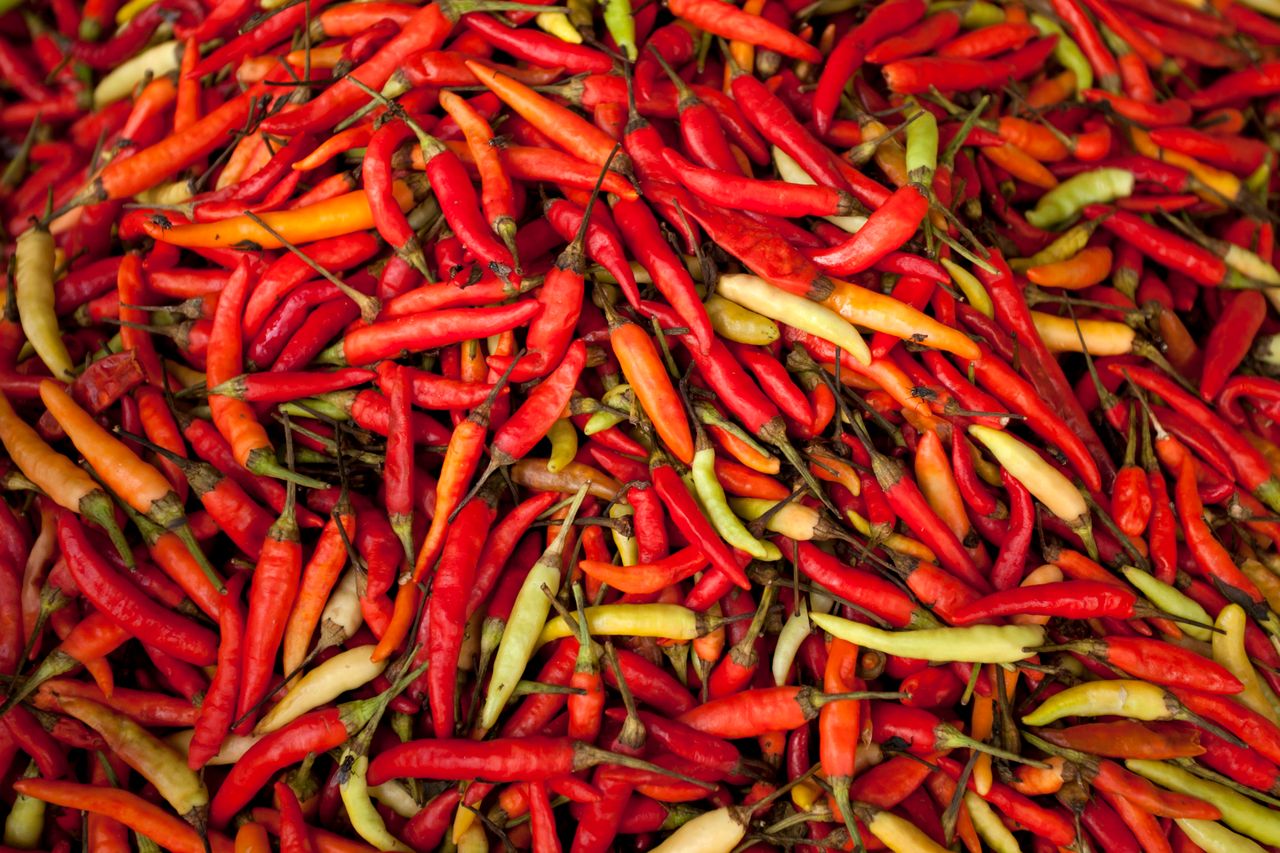
Chili taught me that buying or nursing seed does not guarantee a crop. I prepared chili seed for two or three lima, but very few plants germinated. Next, I want to find marketable varieties such as Kambuzi or bird’s eye. With okra, I had 500 grams of certified Zam seed and hoped to plant about half a lima, with a target of ten bags. That was a target in my notes, not a harvest result.
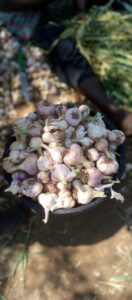
Garlic is a more complicated memory. I wrote that a handful of seed produced about 10 kg in an earlier season, then I lost the crop when the pump failed. The planting date, a plot measurement and a weighing record are missing, so I cannot support that figure. I will keep the 10 kg as a recollection until I find better evidence. Farm photographs show red onions, but I did not weigh that harvest either.
I also want to explore sugar cane again. I grew a small plantation in Chipata when I worked there, and it gave me regular pocket money. That experience makes me curious about whether it can work here, but I have not established a sugar-cane plot at Kugarika. Potatoes, impwa, watermelon, cucumber, lumanda, mupilu and contender beans are also possibilities, each with its own planting date, water needs and market to understand.
Fruit trees and the water question
My fruit-tree notes mention avocado, orange, paw-paw, lemon, guava, mango and peach. One document says we had some guava plants and wanted to add more. I need to walk the farm and count what is still alive before turning that list into a current inventory.
Water sits behind nearly every crop decision. My documents describe a pump failure, a replacement pump and solar panels, but the records do not agree on the complete system configuration. I need to check which equipment we installed and which parts still work before I make a planting schedule. Until then, adding more crops without knowing which plots can be watered would repeat a mistake I have already made.
My plan now is to keep each crop tied to a plot and each result tied to a date. Each record should capture the seed or planting material, the area planted, how much water reaches each plot, what survives, and what we harvest and sell. I still want a diverse farm. My records should also show which parts of the plan work.
For context on mixed farm systems, see the FAO overview of mixed crop-livestock farming.

