
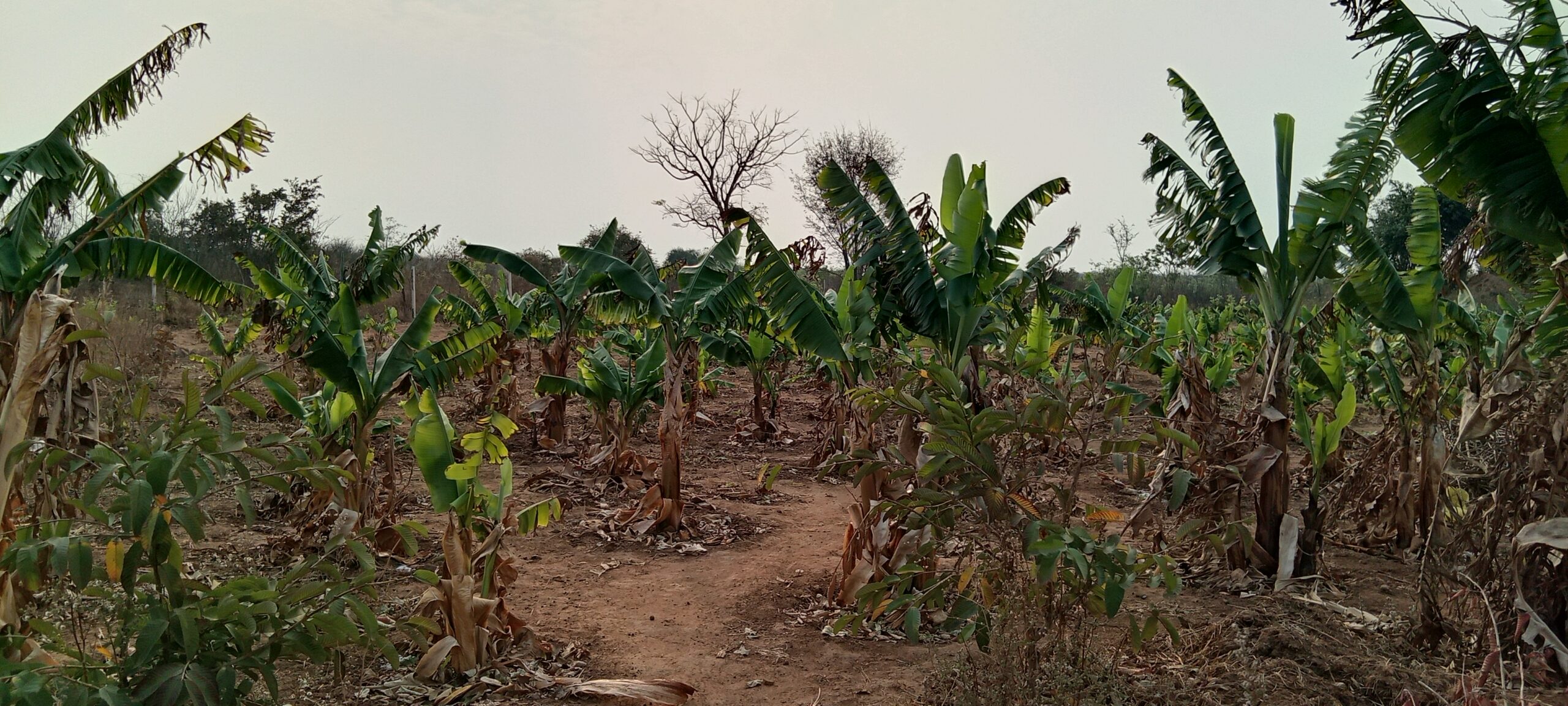
The Kugarika irrigation cost record is still incomplete. I wanted the farm’s water system to support bananas and vegetables, but the records I found do not yet add up to a full irrigation budget. They contain dated equipment purchases, older estimates and a list of parts we planned to buy. Separating these items is the first step toward estimating what it will cost to finish the work.
By Gideon Mafungautsi Kapamulomo · Kugarika Tange Nhamo Farm, Mwembeshi, Zambia · Farm records reviewed 11 October 2026
Kugarika irrigation cost record: what the records show
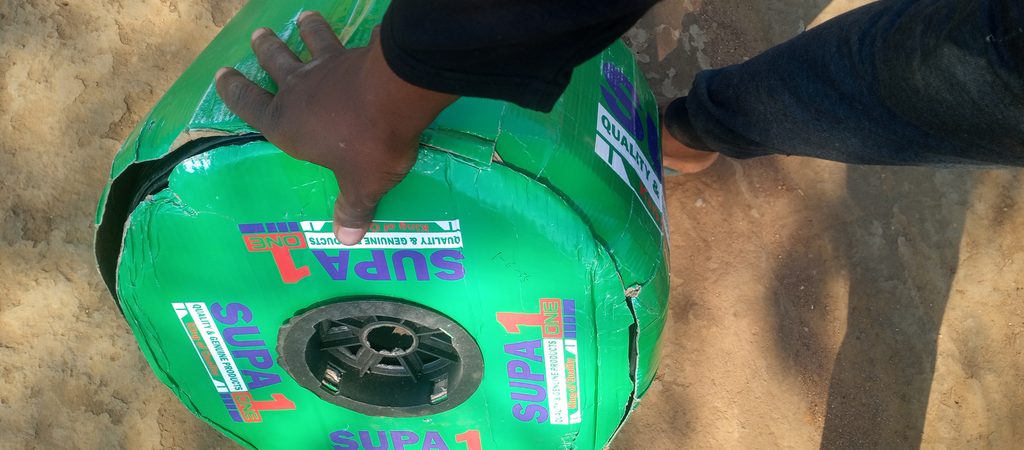
The dated timeline lists a pump control-unit replacement in April 2023, a replacement pump in June 2026, and a solar panel in July 2026. The farm timeline lists these owner-recorded amounts, but I found no receipt for each item in the files I reviewed.
| Date in records | Item | Recorded amount | Evidence status |
|---|---|---|---|
| 16 April 2023 | Pump control-unit replacement | K1,900 | Owner timeline; receipt not supplied. |
| 23 June 2026 | One-horsepower submersible pump | K2,700 | The dated purchase entry lists this amount; I found no receipt in the documents reviewed. |
| 16 July 2026 | Jinko 580-watt solar panel | K1,650 | The purchase appears in the dated timeline, which also says we still needed another panel. |
Together, the three dated entries total K6,250. That is not the full cost of the water system: it excludes the original borehole and installation, labour, transport, other panels, and reticulation materials. One farm-establishment record estimates the borehole at about K35,000, but that is a separate rounded historical estimate without an itemised receipt. I am not adding it to the dated equipment total.
The requirements list is not a purchase ledger
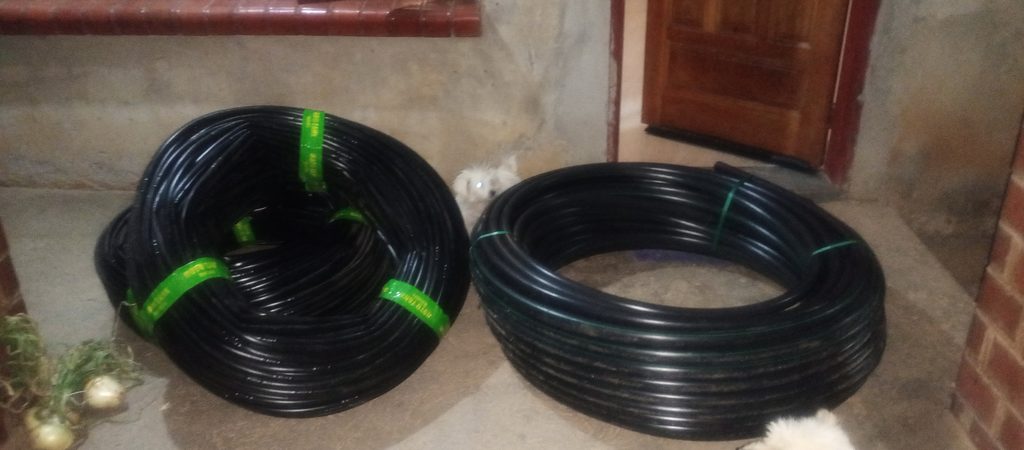
A separate planning sheet lists parts for extending water to the banana area. It includes two 1,000-metre bundles of blind tape at K1,449 each, 26 starter valves at K12 each, 26 end caps at K3.50 each, 26 rubber fittings at K2 each, 600 T-connectors at K3.50 each, thread tape listed at K15, and 600 button drippers without a price. The sheet also mentions pipe, a controller, solar capacity and a possible booster pump.
For example, I need to check several entries before using the sheet as a budget. For example, the listed total for 26 end caps is K42, while 26 multiplied by K3.50 is K91. Different files list the pipe in different units and give different solar-panel configurations. These are questions for a supplier and technician, not figures I should silently correct or treat as final.
The pump replacement did not complete the system
Later, the timeline records that the submersible pump stopped working on 14 June 2026. We bought a one-horsepower replacement on 23 June, but the available solar supply could not run it as intended. We recorded a Jinko 580-watt panel purchase on 16 July, and our notes say we still needed another panel. Meanwhile, another irrigation account lists two 450-watt panels and a controller configuration that we later corrected. I cannot confirm one current equipment inventory from these documents. Before I say the system is operating, I need to inspect and record the installed panels, pump and controller.
How I will make the next estimate more useful
Before buying more parts, I need a verified bill of materials with the supplier’s unit, quantity, quote date and total. I also need to record delivery, installation labour and the receipt for each purchase. Then I want to note which plots each installed section serves, how long the pump runs, whether leaks occur and whether water reaches the end of the line.
This record cannot yet tell me how many litres each crop needs or whether irrigation improved yield. I have not collected a measured water-volume series or comparable harvest weights. After we collect those measurements in the field, I will add them to the Kugarika irrigation cost record.
For a practical reference on planning and maintaining small irrigation systems, I am also consulting the FAO irrigation manual. Our banana irrigation project report describes the wider installation plan. This cost note keeps the farm-document purchases and unresolved planning figures visible alongside it.

