
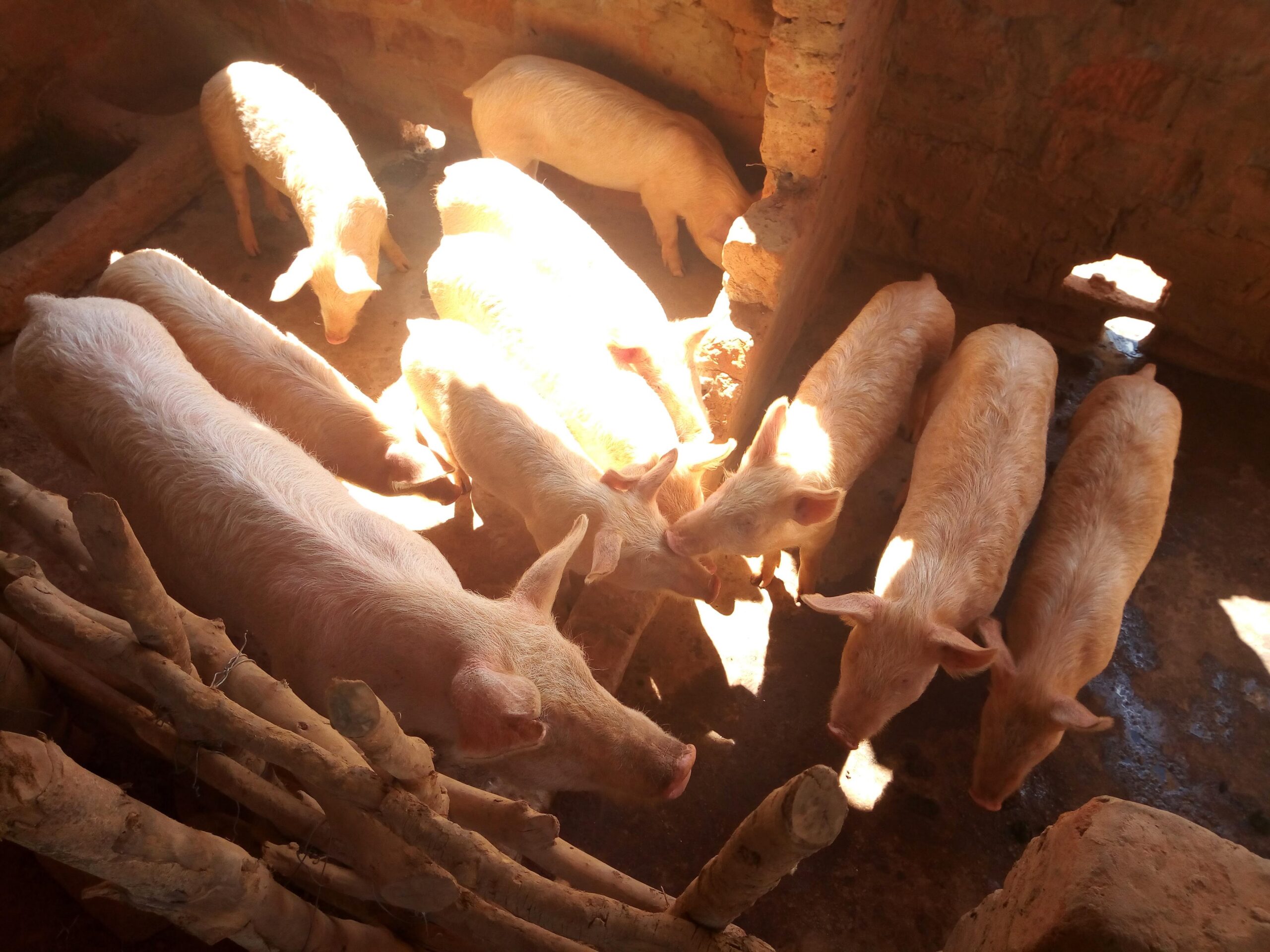
Keeping livestock records changed how I think about the pigs, goats, and ducks on our farm. Daily care matters, but I also need a clear account of what happens after animals arrive.
By Gideon Mafungautsi Kapamulomo · Kugarika Tange Nhamo Farm, Mwembeshi
What livestock records taught me
Daily care is essential, but my records also need to show how each animal’s story changes over time.
Pigs were among the first animals we kept.
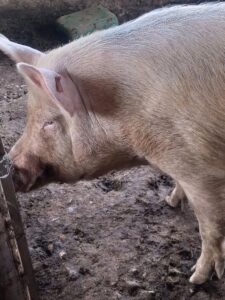
They were doing well enough that I thought the farm could grow around them. Then the 2023 drought pushed feed prices up. We reduced production and eventually sold the pigs. I did not keep a complete feed-cost or sales ledger, so I cannot show exactly when the operation stopped making sense. I only know that the feed bill became too much for us.
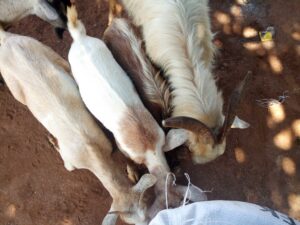
We turned to goats. My notes say we began with three, one male and two females. A son later brought six more, and another account mentions eight after that. One later figure says we had 28. I cannot account for every change between those numbers today. From January to July 2026, I recorded five kids surviving and a sixth dying soon after birth because it could not suckle. That is what I was told and wrote down, not a veterinary diagnosis.
Ducks have also taught me about housing and follow-up. The first group numbered about five, and we lost them. Later, we brought in one male and two females. During the 2025/26 rainy season, the ducks reportedly produced about 30 ducklings; the notes say about 12 remained when the account was written. I have no dated monthly count to explain each loss. Some old notes offer suspicions, not verified explanations, so I do not repeat them as fact.
What I need to do next
I need to count the animals again and make the count the starting point for a proper register. Each month I want to record how many were present, which animals were born or bought, which died or were sold, what we spent on feed and medicine, and who looked after them. If an animal is sick or a kid does not survive, I want to record what we observed and whether we sought advice.
I have also written down ideas about pigeons, turkeys, rabbits and village chickens. The documents mention fish farming too: work on an excavated pond began around 2023 but stalled, and a tarpaulin pond was proposed. Those ideas are not the same as active production. Before adding more animals, I need to make sure the housing, water, feed and daily care are in place for the animals we already have.
The fish pond is another unfinished part of the farm plan. I still want to continue the excavated pond and consider a smaller tarpaulin pond, but the documents do not show either one completed or stocked. I need to record what materials are still usable, what the next stage will cost and how we will manage water before I call it an aquaculture project.
The farm dashboard that my son built gives me a place to connect field observations with the plot, date and evidence. It will not fix poor housing or bring back animals we lost. It can help me notice when I have stopped counting, and make it harder for me to mistake a number I remember for a current census.
For practical background on keeping accounts and tracking costs, see the FAO small-scale farm accounting guide.
My own herd and flock figures here come from owner recollections recorded at different times. They are not a current physical count. I will replace them with a dated inventory when we complete one.

