
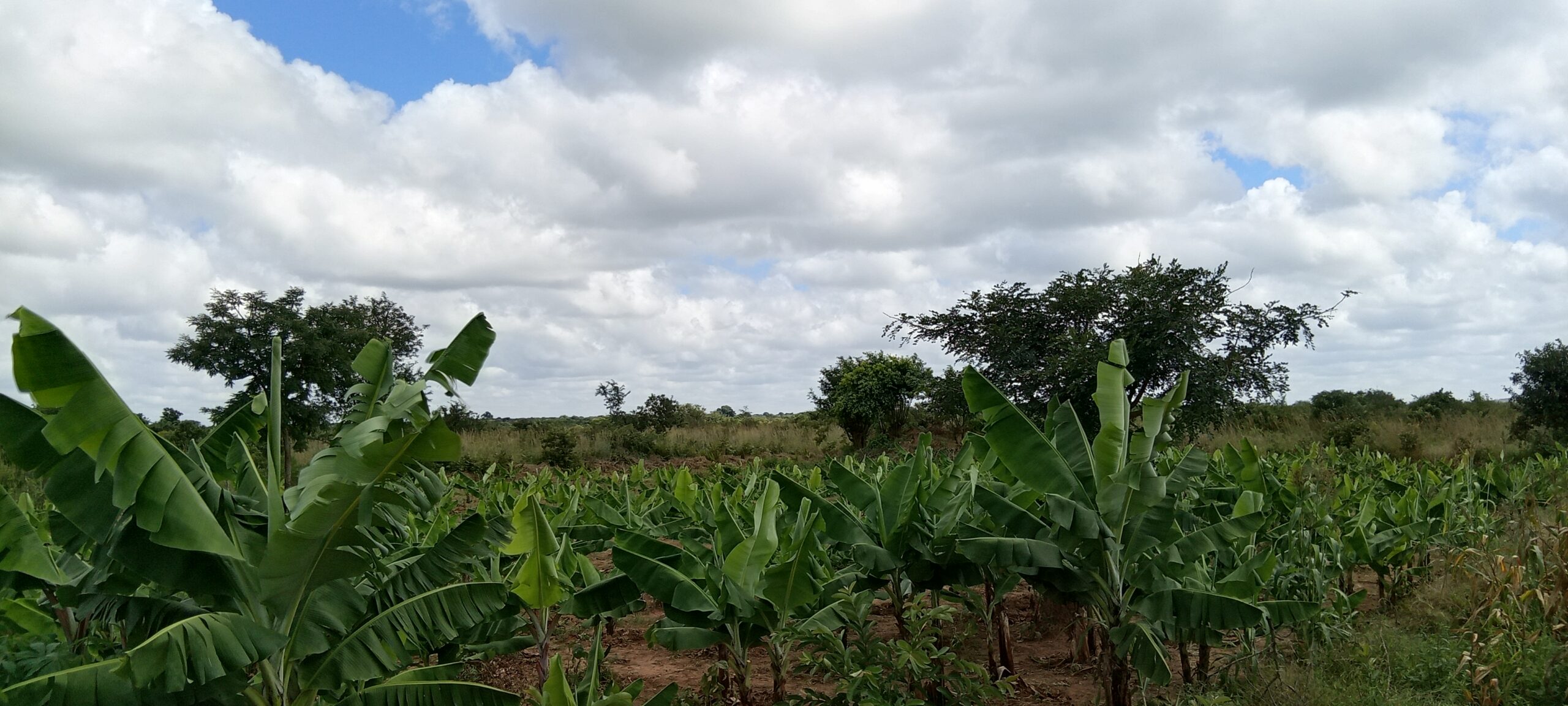
I began the Kugarika banana plantation with one plant in October 2024. At the time, I wanted to see whether bananas could become a useful part of our mixed farm. The records that followed show how quickly the planting ambition grew—and why I now need a reliable count before I describe the plantation as a measured success.
By Gideon Mafungautsi Kapamulomo · Kugarika Tange Nhamo Farm, Mwembeshi, Zambia · Farm records reviewed 11 October 2026
How the Kugarika banana plantation expanded
My notes say the first plant produced 63 suckers. Other documents describe planting batches that we added through 2024 and 2025. They say we generated and planted more than 600 plants or suckers, and they put the total near 700 stations by March 2025. The dates and totals do not line up consistently across the drafts. I have not resolved that difference with a dated planting register or a full physical count.
The dashboard currently records 670 banana plants. That is the working inventory in the farm records; it does not confirm that 670 living, productive plants currently grow in the field. My older notes also contain a target of 1,000 stations. A target is a plan; it is not the number planted or surviving.
| Record | What it says | How I am treating it |
|---|---|---|
| October 2024 | I planted one banana plant. | Owner-recorded starting point. |
| By 2025 | The first plant reportedly produced 63 suckers. | Historical account; I do not have a dated propagation register. |
| 2024–2025 expansion | The notes describe more than 600 stations in one place and nearly 700 elsewhere. | Approximate totals that need reconciliation. |
| Dashboard inventory | I entered 670 banana plants in the dashboard. | Working record; I still need to count the plants in the field. |
| Future ambition | A target of 1,000 stations appears in the notes. | Target only, not a completed planting. |
Kugarika banana plantation harvest records—and missing measures
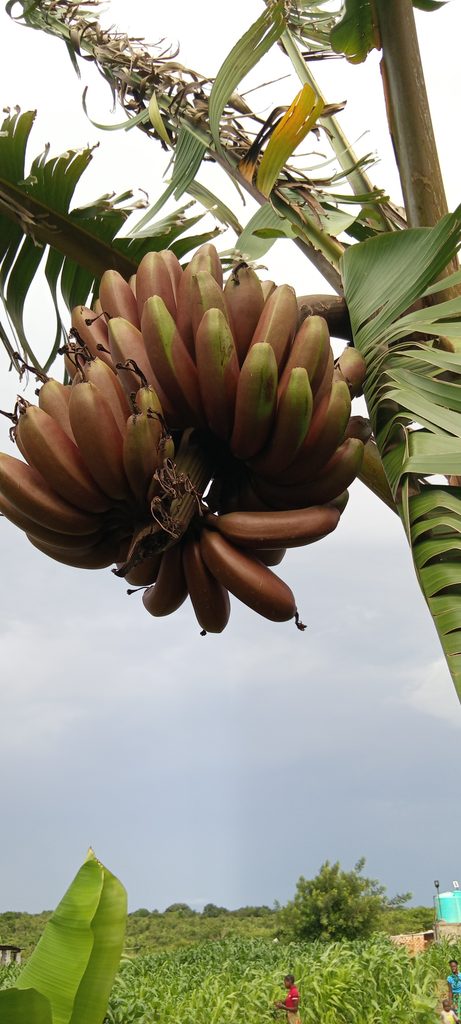
I recall at least five banana bunches. Locally, I sold two bunches together for K520, and we ate the others at home. I did not record the harvest dates, individual bunch weights, grades, or separate sale prices. That means I cannot calculate yield per plant, a dependable price per kilogram, or the plantation’s profit from those recollections.
My documents mention Sweet William, Grand Naine and a preferred dwarf type, but the variety descriptions are not consistent. I need to label each block after checking the plants rather than assume the names in a shopping list describe what is growing.
Water and livestock have affected the plantation
The farm records describe irrigation interruptions and a pump failure in June 2026. The timeline records a one-horsepower replacement pump at K2,700 on 23 June, followed by our purchase of a Jinko 580-watt panel for K1,650 on 16 July. Our notes say we still needed more solar capacity. A separate earlier irrigation account describes a different panel configuration, so I have not treated the documents as one reconciled equipment inventory. I still need to check the pump’s current operating condition on site.
My records also describe cattle entering the plantation and damaging banana leaves in November 2025. One account gives two incursions; another describes three damage incidents. I have not verified how many plants we lost. I need to record the date, affected block, visible damage and any protection work each time it happens.
Projection is not a harvest result
A farm projection says fruiting and sales might improve around February or March 2027 if we restore irrigation and continue crop care. Another note sets an ambition of about 30 bunches a month. Those are projections and targets, not measured outcomes. I will update them only after recording actual bunch counts, weights, dates and sales.
My next useful step is a dated plant census by block and variety, followed by a harvest register. For each block I want to record the living plant count, how often we irrigate it, damage, flowering, bunches harvested, weights, household use and sales. That will let me compare what the farm planned with what the field actually produced.
For the irrigation history behind this challenge, read our banana irrigation recovery record. My broader crop list and the results I still need to measure are in the Kugarika crop plan.
For broader guidance on water planning, see the FAO field guide to crop water productivity.

